5 Reasons Your CRM is Failing You
.webp)
Implementation Specialists

5 Reasons Your CRM is Failing You
Many businesses invest in CRM software expecting better sales performance, improved customer relationships, and streamlined processes.
But after months of use, they realize something surprising: the CRM isn't improving results.
What a CRM Is Actually Meant to Do
A Customer Relationship Management system is designed to organize customer interactions, track sales pipelines, and help businesses manage leads effectively.
Without CRM
- Leads lost in emails and messages
- No follow-up tracking
- Unclear sales pipeline
- Scattered customer information
With CRM
- Centralized lead tracking
- Structured sales pipeline
- Customer interaction history
- Better forecasting
But when the system is poorly implemented, the CRM becomes just another tool your team avoids using.
1. Your CRM Has No Clear Process
Many businesses install a CRM but never define how it should be used.
- Salespeople use the CRM differently
- Lead stages become inconsistent
- Data becomes unreliable
A CRM should mirror your sales process, not replace it.
2. Your Team Doesn't Actually Use It
A CRM only works when the team consistently updates it.

If entering data feels like a burden, the system will quickly become outdated and unreliable.
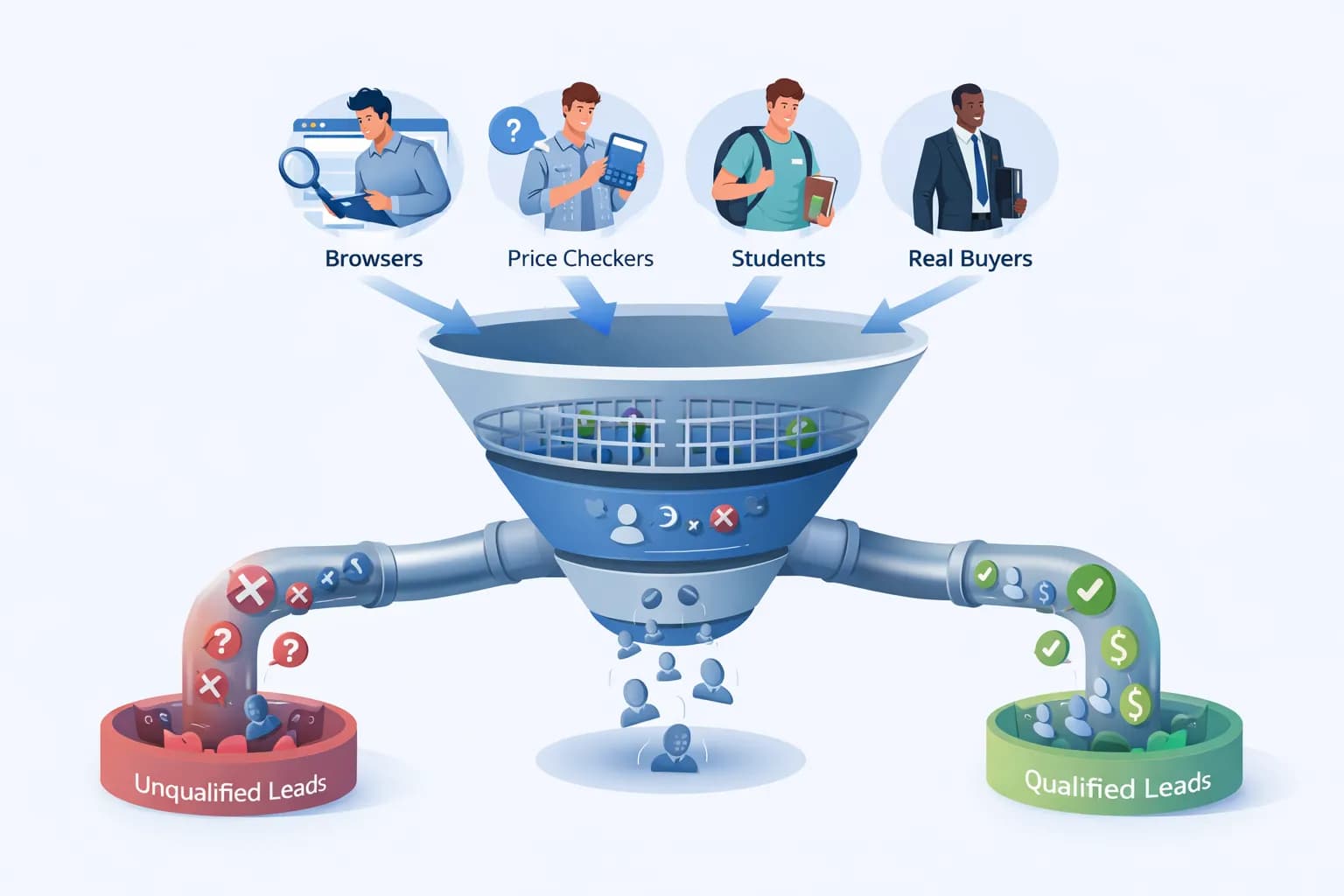
3. You Focus on Data, Not Decisions
CRMs generate large amounts of data, but data alone does not improve sales.
Businesses must turn CRM data into decisions:
- Which leads convert best?
- Which stage causes deal delays?
- Where are customers dropping off?
Without analyzing insights, the CRM becomes just a digital database.
4. Your CRM Isn't Integrated with Other Systems
A CRM should connect with marketing tools, email platforms, and customer support systems.
- Leads manually entered
- Duplicate data
- Missed customer interactions
Integration allows your CRM to become the central hub of your business data.
5. You Bought Software Instead of a System
The biggest mistake businesses make is believing that software alone will solve sales problems.
A real CRM strategy includes processes, automation, training, and accountability.
Without these elements, even the most expensive CRM will fail.
How to Fix a Failing CRM
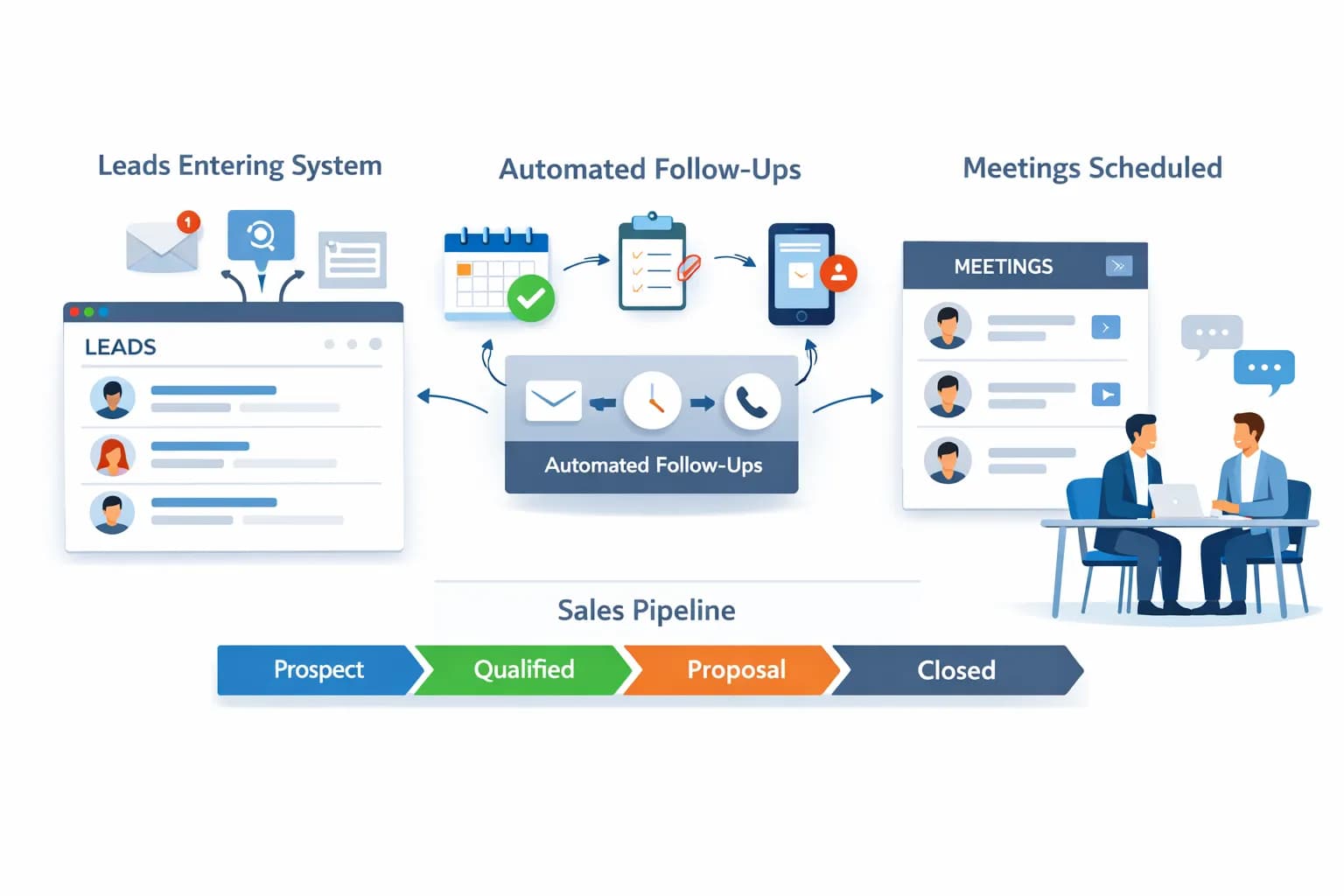
Define Your Sales Pipeline
Create clear stages for every deal.
Train Your Team
Ensure everyone understands how the system should be used.
Automate Where Possible
Use automation for follow-ups and lead tracking.
Review Data Regularly
Use CRM insights to improve your sales strategy.
The Real Purpose of CRM
A CRM system should help businesses build stronger relationships with customers, not just store contact information.
When implemented properly, it becomes the backbone of your sales operations and growth strategy.
About the Author
Ready to Transform Your Business?
Join our community and get expert guidance on growing your business.
Get StartedAbout the Author
ShivAstra Team
ShivAstra Team is a group of automation strategists, content specialists, and business system designers focused on helping Indian MSMEs grow through structured sales systems, automation workflows, and practical digital strategies. The team researches real-world business challenges and publishes insights on lead generation, automation, and scalable growth systems.
Related Reading
Related Services
Ready to scale your business?
Get your free ShivAstra Business Report and see where you can automate and grow.
Get Your Free Report